The first thing I noticed was the forged signature at the bottom of the hunting lease. Standing in the freezing Wisconsin dawn, surrounded by men carrying rifles and wearing blaze-orange hats, I could hardly believe what I was holding. My ex-husband, Brad Kessler, had convinced three longtime hunting friends that they had paid for permission to hunt my grandfather’s 80 acres, even though the property belonged to me alone. The document claimed I had accepted $4,000 for the November season, but I had never signed it or received a penny. My grandfather, Arvid Halvorsen, had owned the farm near Elk Mound for decades and spent every hunting season welcoming veterans onto his land without charging them. He believed their service was payment enough. After inheriting the property, valued at approximately $640,000, I had fought to keep it during my divorce, never imagining Brad would find another way to profit from it.
The problem had been going on longer than I realized. Brad had collected cash from Kurt Ostrowski, Mike Pruett, and Russ Lindahl for three consecutive seasons, taking a total of $12,000 while pretending he still controlled the property. When I confronted him, he brushed off my concerns, claiming I did not hunt and had no reason to object. My attorney, Patricia Haugen, explained that the situation was more serious than a personal dispute: collecting money for hunting access could create insurance and liability problems for me if someone were injured on the property. I posted no-trespassing signs, sent Brad certified written notice revoking his permission, and replaced his unsafe homemade hunting stands. Then I met three Army veterans at a church gathering and offered them the ridge for the entire season at no charge. On opening morning, Brad’s friends arrived with their forged lease, unaware that the land now had a very different purpose—and that their money had never reached its rightful owner.
When the truth came out, the three hunters realized they had been deceived, and they immediately left the property. Later that afternoon, Brad returned to my gate, where a conservation warden confronted him with the forged document and statements from the men who had paid him. The warden issued a trespass citation and forwarded the evidence to the district attorney. Meanwhile, the veterans enjoyed the season they had been promised. Tim Seger, who had not hunted since childhood, took his first deer in 15 years using his late uncle’s rifle. Dale Moody spent the day in my grandfather’s old oak stand without firing a shot, grateful simply to sit peacefully in the woods. In December, Brad’s former friends filed small claims cases seeking their $4,000 payments back, while the authorities reviewed the forgery allegations. Brad eventually repaid the entire $12,000, sold his bass boat to cover the money, and accepted a deferred prosecution agreement requiring him to stay out of trouble and away from my property.
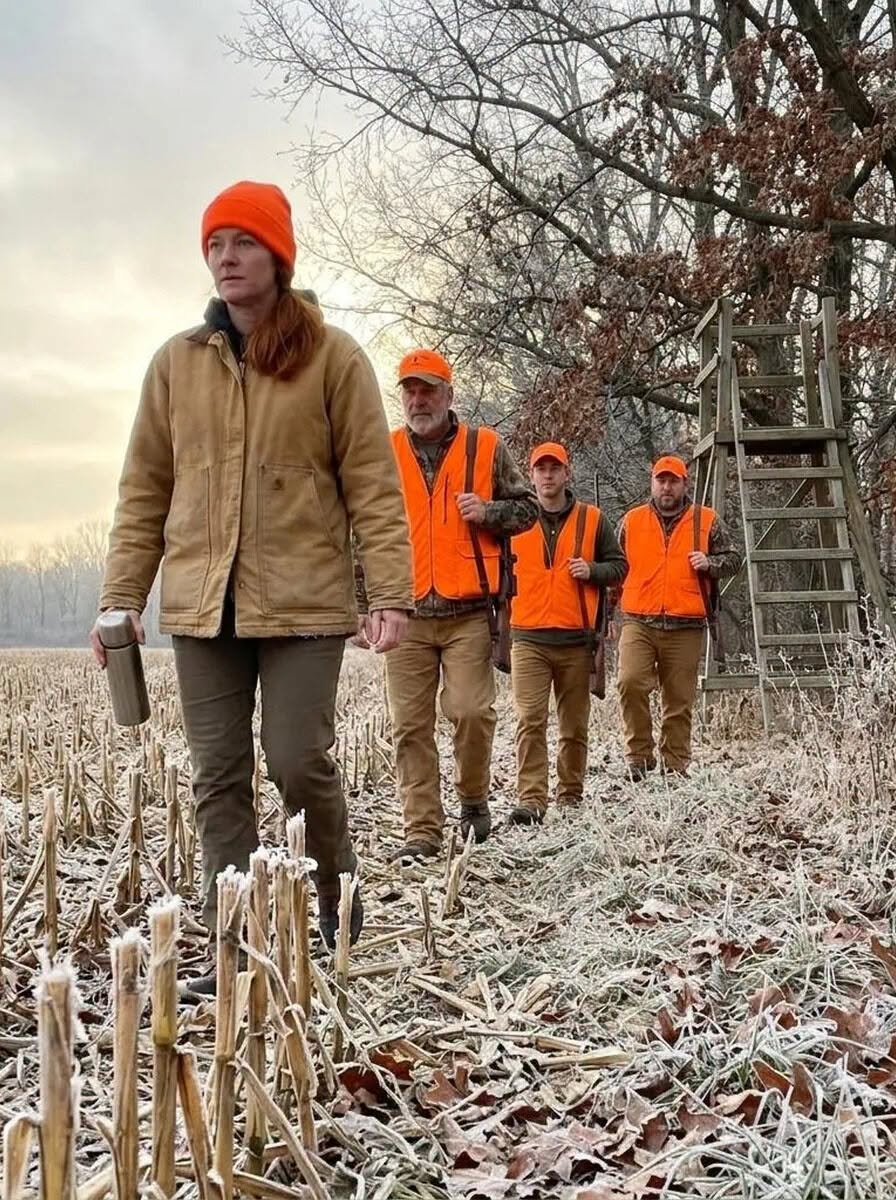
Months later, Brad sent me a handwritten apology, admitting that he had convinced himself the ridge belonged partly to him because he had spent so many years there. I read the letter but did not respond. The following hunting season, Kurt called and asked whether he and his friends could pay me properly for access. I refused the money, but made it clear they were welcome to return. Kurt had served in the military too, and my grandfather had once walked him into that same hunting ground after he came home. This time, four veterans arrived before sunrise, and I led them along the frozen field in Arvid’s old canvas coat, carrying his dented green thermos. Before heading back to the farmhouse, I opened his weathered hunting ledger and added another name beneath the previous year’s entries: “Kurt Ostrowski, Army, Desert Storm. 2027. Walked in by Arvid’s granddaughter. He’d already paid.”