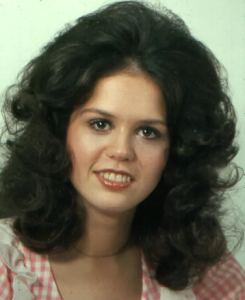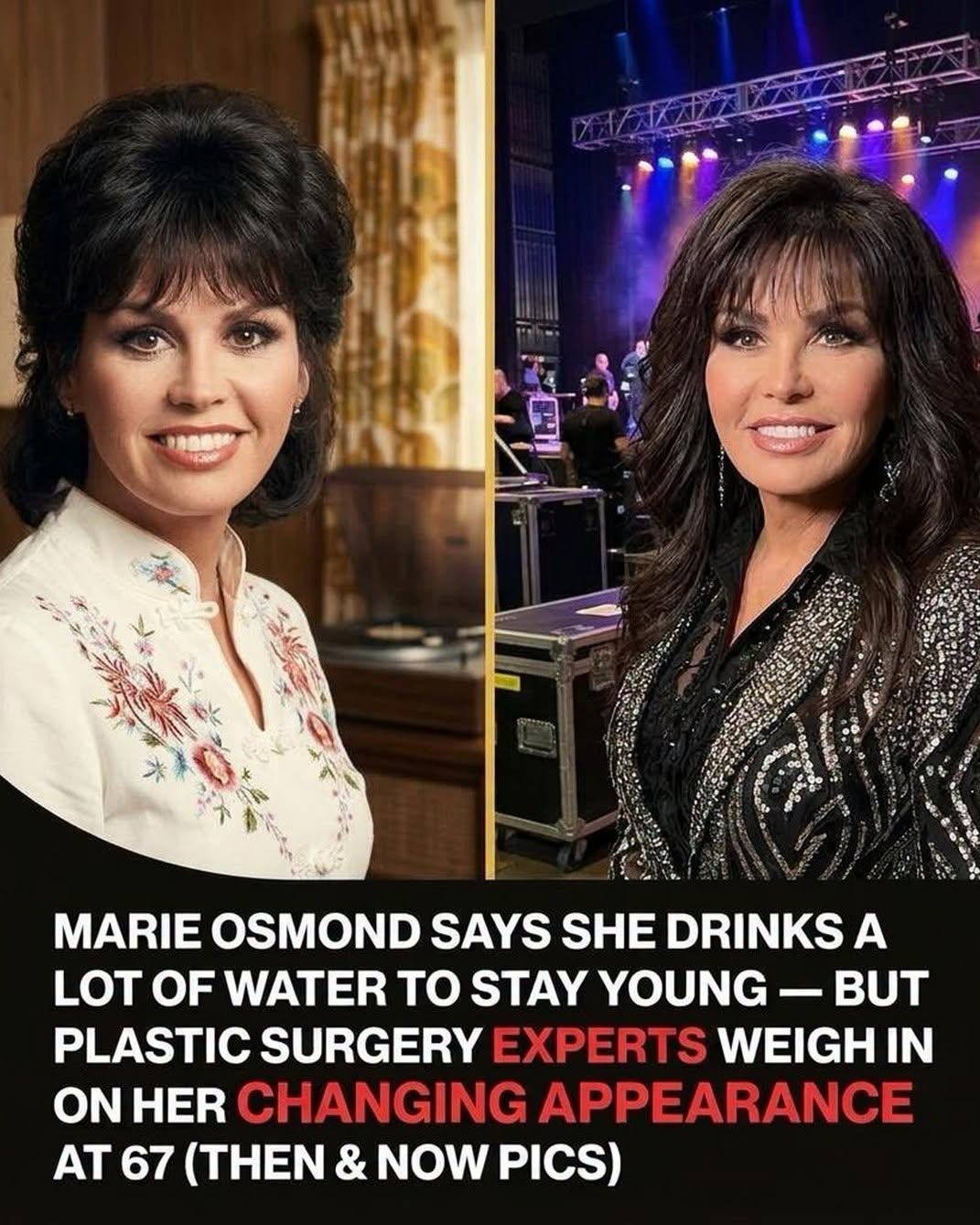
Decades of photographs can tell a remarkable story, especially when they follow someone who has spent most of her life in the public eye. From television appearances and glamorous performances to casual moments shared online, one familiar entertainer has been photographed through nearly every stage of her career. Some recent pictures have sparked questions among longtime admirers, while cosmetic specialists have offered their own interpretations of the changes. But not every observation is backed by confirmed information, and a closer look reveals a much more personal story behind the photographs.
The discussion has also taken an unexpected turn with a collection of AI-generated comparisons imagining how the entertainer might look with different signs of natural aging. Before reaching those images, however, there is a history of extraordinary success, personal challenges, and candid comments about beauty that deserves attention. The woman at the center of the conversation began performing as a child, became a household name, and eventually spoke openly about the pressures that came with being judged for her appearance. Her name is Marie Osmond.
Osmond’s entertainment career began when she was just three years old, appearing on “The Andy Williams Show” with her famous musical family. At 12, she released her debut solo album, “Paper Roses,” which became a major success and helped establish her as an international recording star. Her television career grew even further when she co-hosted “Donny & Marie” with her brother Donny, becoming one of the youngest women to co-host a network television program. Over the years, she expanded into Broadway, publishing, business, and philanthropy, while raising eight children. She also co-founded Children’s Miracle Network, an organization that has raised more than $9.5 billion, according to her professional biography. Yet behind the success was a difficult experience she later described publicly: as a teenager, she faced harsh criticism about her weight from a television executive. The comments affected her deeply, contributing to an unhealthy relationship with food and body image. She eventually recalled looking in a mirror and struggling to recognize how much her appearance had changed, an experience that helped her understand the seriousness of body-image struggles.
As an adult, Osmond became more open about the beauty choices she had made. In a 2012 interview with The Guardian, she acknowledged using laser skin-tightening treatment, and in 2013 she discussed having breast reduction surgery in her twenties, explaining that the decision was partly related to physical discomfort. Years later, she also spoke about considering a neck procedure, joking that she was tired of using hairstyling tricks to create a more youthful appearance. However, that discussion did not confirm that she eventually underwent the procedure. Cosmetic clinics have since published opinions suggesting possible treatments such as fillers, Botox, rhinoplasty, or a facelift, but photographs and outside assessments cannot establish someone’s medical history. Social media reactions have been equally varied, with some fans expressing surprise and others defending her right to make personal choices. The final twist comes from the AI comparisons: a series of digitally generated alternatives presents different interpretations of how Osmond might look with more visible signs of aging. These images are imaginative edits, not authentic photographs or reliable predictions of her natural appearance. After more than six decades in entertainment, her career, charitable work, and willingness to discuss the pressures of fame remain just as significant as any change captured by a camera.