What was expected to bring a decades-old legal case to a close instead created new questions for Tennessee officials. On September 30, 2026, a carefully scheduled state procedure took an unexpected turn, drawing national attention and prompting calls for an independent review. Months earlier, attorneys had submitted court documents describing serious medical concerns involving their client. Those warnings included a suspected rare blood condition, unusually elevated platelet levels, and a history of difficulties during routine medical procedures. Legal representatives believed these complications could significantly increase the risks involved. Despite those concerns, the state moved forward with its scheduled plans. By the end of the evening, officials were facing a situation few had anticipated.
The first warning signs had appeared in a January legal complaint challenging Tennessee’s established procedures. Attorneys argued that their client’s medical history required additional precautions and closer consideration. They also questioned whether existing safeguards would allow legal representatives to respond quickly if complications developed. During the September proceedings, witnesses reported unexpected difficulties that appeared to echo those earlier concerns. As events continued, the situation became increasingly uncertain, eventually requiring emergency medical assistance. What happened next would transform an already controversial legal case into a much larger discussion about medical safeguards, constitutional protections, and government accountability.
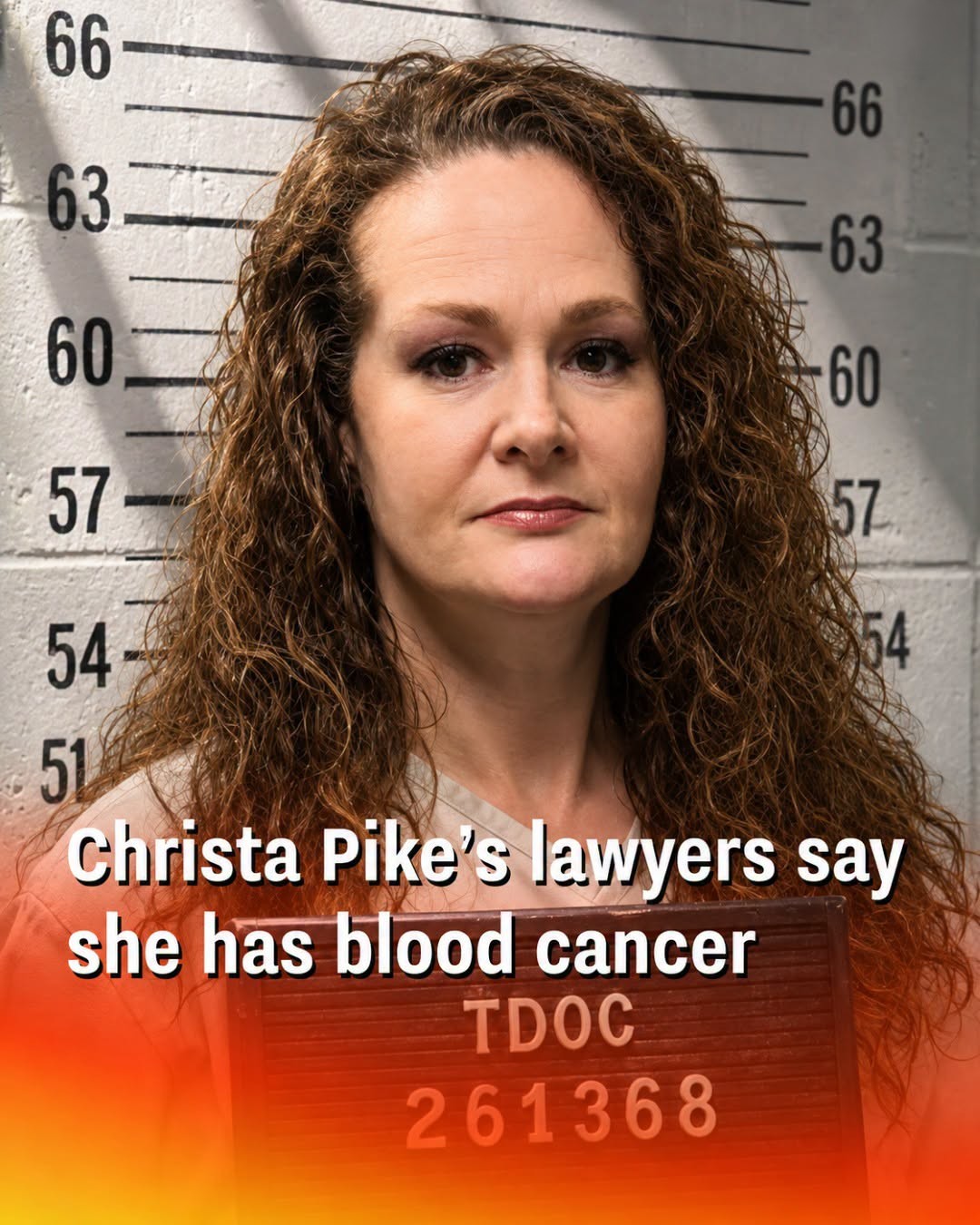
The individual at the center of the case was Christa Pike, 50, who had spent approximately three decades in Tennessee’s correctional system. On September 30, officials attempted to carry out her court-ordered death sentence using the state’s established lethal injection procedure. According to subsequent reports, medical personnel encountered difficulties establishing intravenous access before administering two doses of the prescribed medication. Remarkably, Pike survived and was transported to a hospital, where she received extensive treatment. Her attorneys had previously raised concerns about a suspected myeloproliferative disorder, a condition associated with abnormal blood cell production, and warned of possible medical complications. Questions have since emerged about whether difficulties with intravenous access affected how the medication entered her system. The precise cause has not been conclusively established. Tennessee officials maintained that established procedures were followed, while Governor Bill Lee ordered an independent investigation and postponed the state’s remaining scheduled execution for the year. The case has also generated renewed court proceedings involving medical evidence, legal protections, and the responsibilities of state institutions.
After approximately ten days of hospital care, Pike returned to the Debra K. Johnson Rehabilitation Center in Nashville, where she continued receiving medical attention. The situation has also renewed public discussion of the criminal case that led to her original sentence. In 1995, Pike, then 18, was involved in the death of 19-year-old Colleen Slemmer, a case that resulted in a death sentence following her conviction. Her former boyfriend, Tadaryl Shipp, was 17 at the time and received a life sentence. More than thirty years later, the legal consequences of that case remain significant for everyone involved, particularly Slemmer’s family. Pike’s attorneys have continued seeking legal relief, while Tennessee authorities face questions about the events of September 30 and the safeguards surrounding state procedures. The investigation could influence future decisions about how Tennessee administers its criminal justice responsibilities. For now, one central question remains unanswered: how could a procedure conducted under established state guidelines produce such an unexpected outcome?