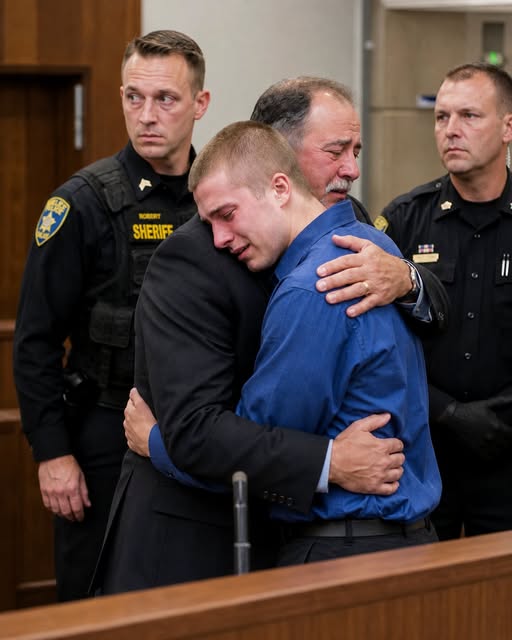
In the days since the 452-year sentence, the courtroom has become a symbol, invoked by both sides of a national reckoning. For victims and their families, the punishment feels like a rare moment when the law fully acknowledges the magnitude of their loss. They see a system that often fails them finally drawing a hard line, insisting that some harms are so devastating that anything less than absolute incapacitation would be a betrayal. Their grief, trauma, and fear of future violence make the sentence feel not excessive, but necessary.
Others look at the same outcome and see a different kind of tragedy: a teenager written off as irredeemable before adulthood has even fully begun. They point to brain science, stories of transformation behind bars, and international models that insist even the worst youth offenders deserve a meaningful second look. Between these poles lies the hardest question of all: can a just society protect, punish, and still leave room for a child—no matter how deeply they’ve harmed others—to change? The answer will shape not just this one case, but the future of juvenile justice itself.